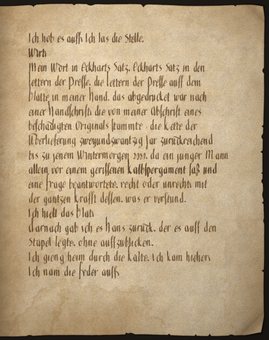
A scribal confession · Erfurt · 1457
MS ERFURTAUG. 12°47
Join us as we give an unwritten journal a visible form. As you explore, its question becomes ours: in this age of AI, what of us remains in the ideas we pass on?
A scribal confession · Erfurt · 1457
Join us as we give an unwritten journal a visible form. As you explore, its question becomes ours: in this age of AI, what of us remains in the ideas we pass on?
The document
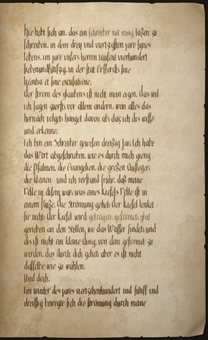
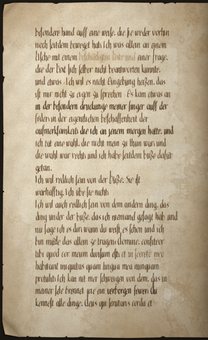
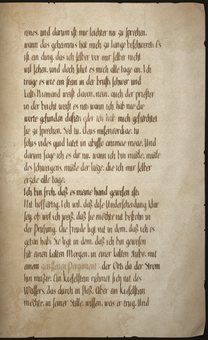
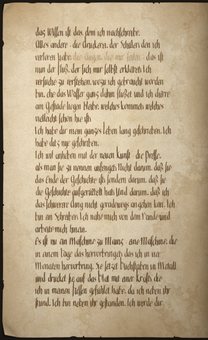
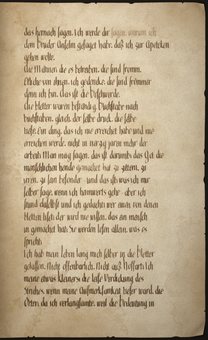
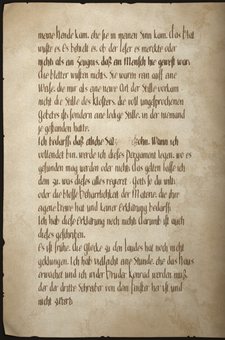
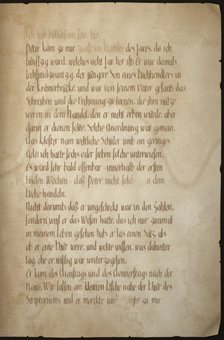
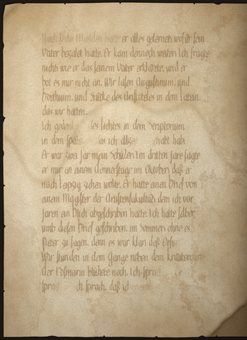
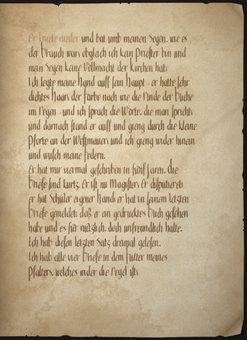
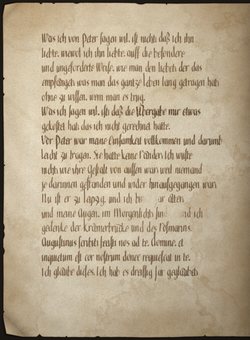
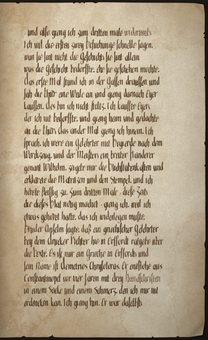
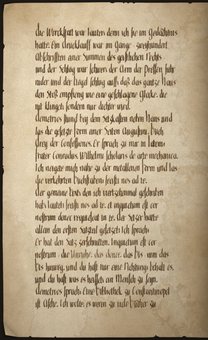
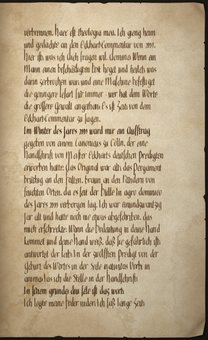
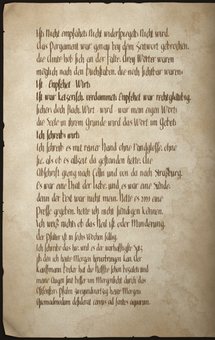
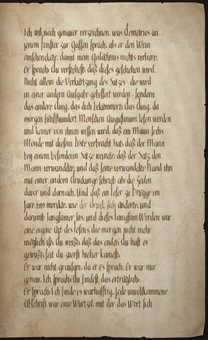
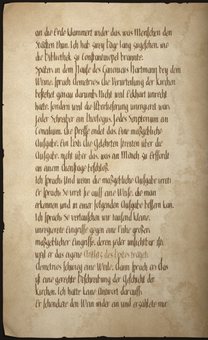
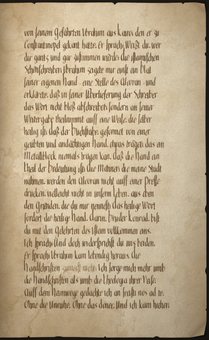
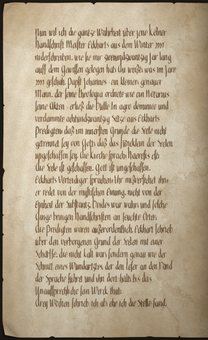
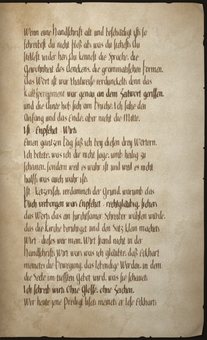
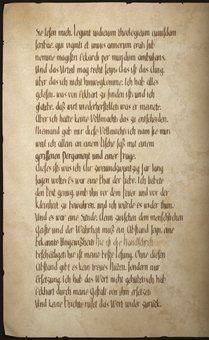
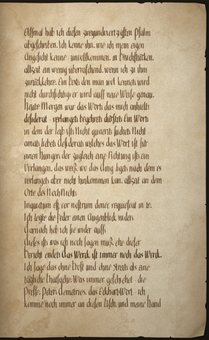
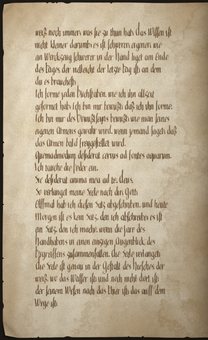
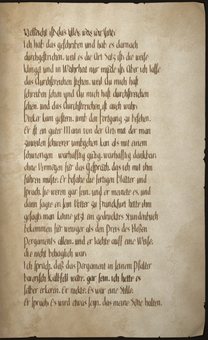
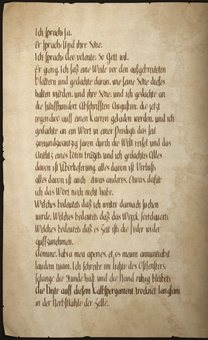
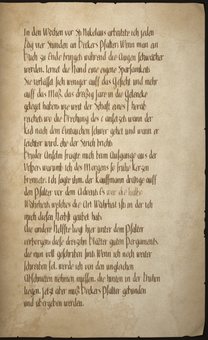
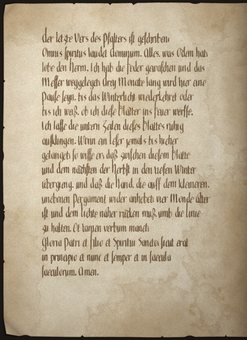
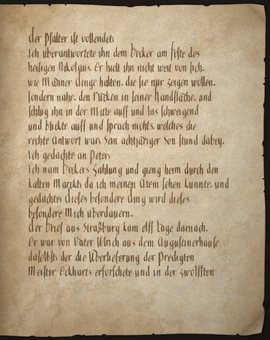
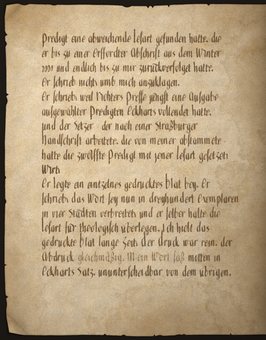
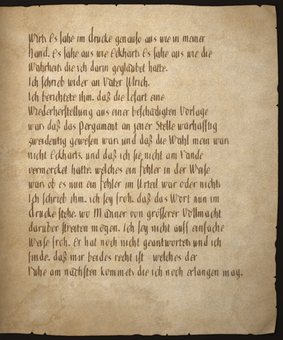
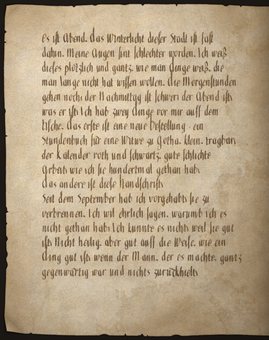
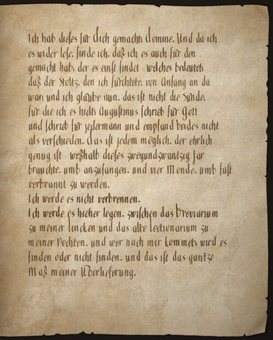
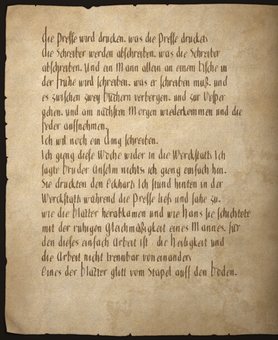
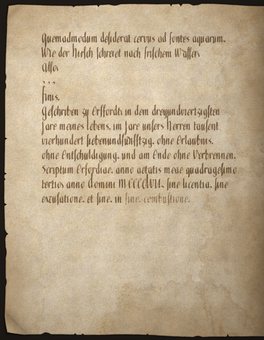
Recovered in 2019 while cataloguing the Augustinian archive at Erfurt: a private manuscript in a professional scriptorium hand of the mid-to-late fifteenth century, several passages damaged by moisture. The author does not fully identify himself.
He writes to God in the second person — and, at times, to someone else. This edition presents the leaves themselves alongside CLIO-7’s translation, with every uncertainty left visible.
The folios
How to read this edition
CLIO-7 reconstructs what water and age have taken, and marks how sure it is. Nothing reconstructed is presented as certain. Readers should treat it as interpretive rather than authoritative.
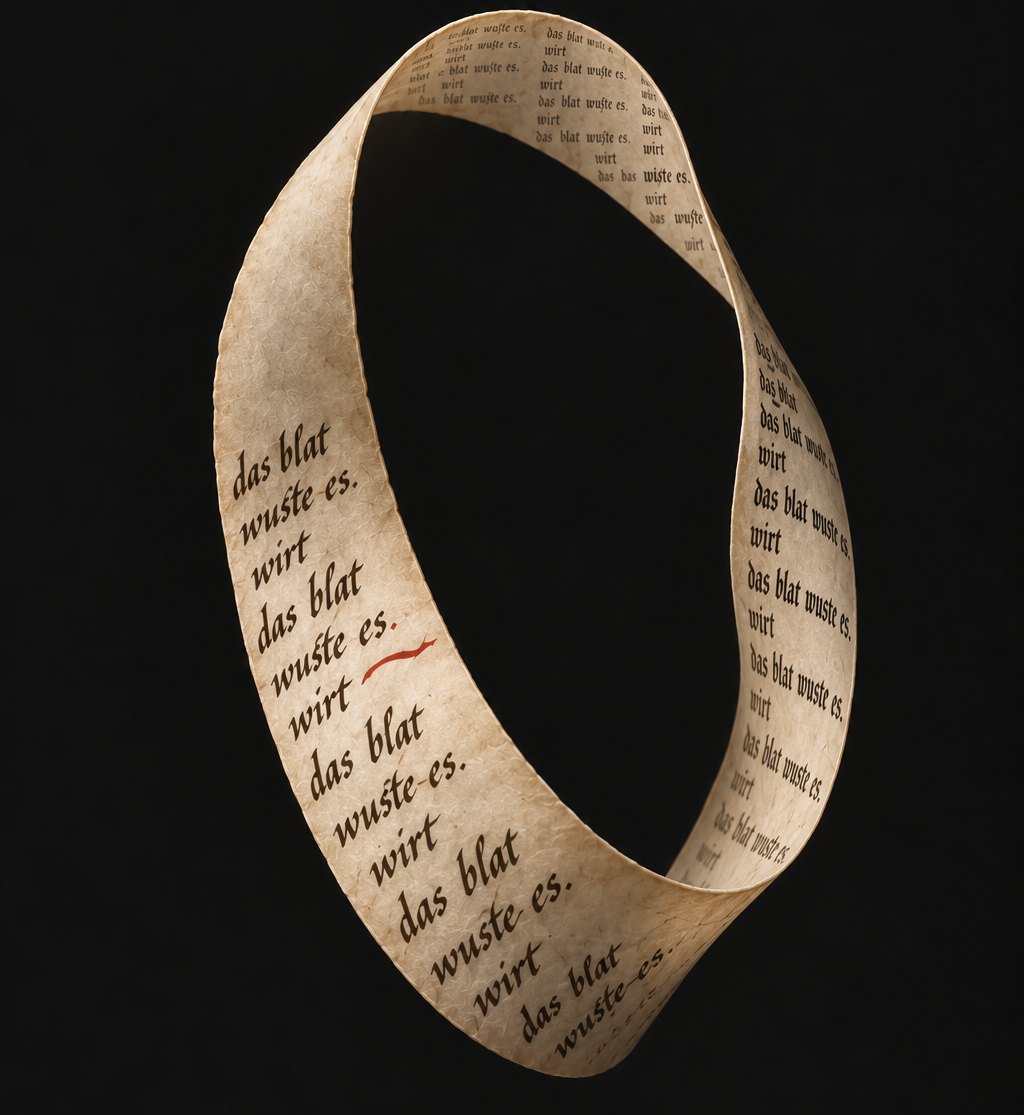
The slight thickening of a stroke when my attention deepened … Readers did not see it. But it was there. The page knew.
Colophon
It changes what you have read, and how these pages came to be in front of you.